


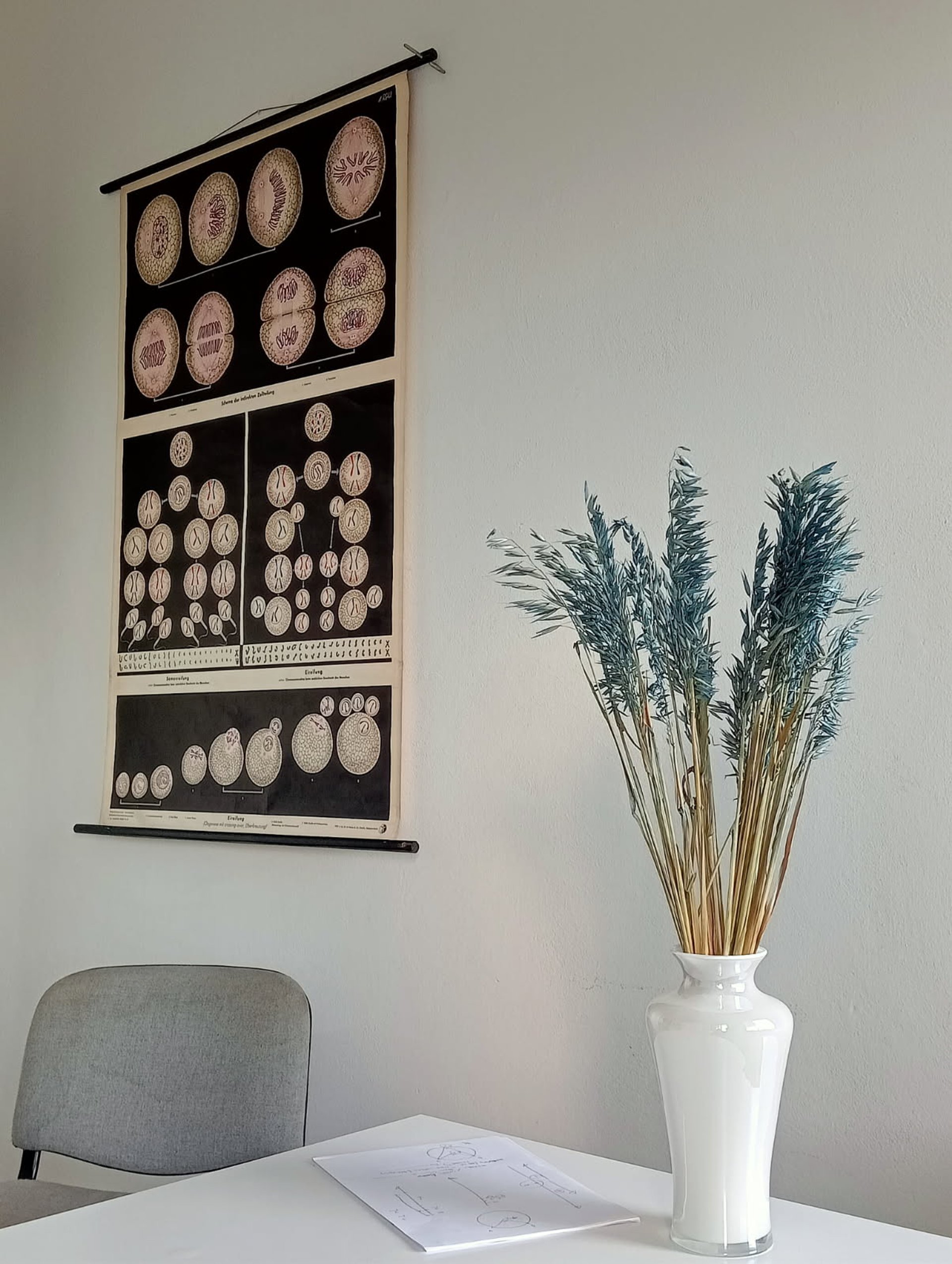
Researcher and professor – founder


Dr. Andrea Degl'Innocenti
Fifteen years of research between Italy and Germany in molecular biology, bioinformatics, genetic engineering, and space biology. Experience in coordinating scientific projects, academic teaching, and self-entrepreneurship. Involvement in educational initiatives. Eclectic and meticulous.
The Institute is still in its launch phase. Competences and areas of interest are therefore those of its founder.
Professors and researchers, maverick
Research areas
From the stars to the stalls, or riches to ranches
Stalls
Stars
Namely, the neurobiology of senses, with an emphasis on vision and olfaction, in extreme environments and especially in space. For this field, Andrea has experience in both fundamental research, including participations in NASA/ESA projects – even aboard the International Space Station, and technology transfer, with a procedure for interpreting genomic data using visual artificial intelligence.
That is, the molecular biology of reproduction in large farm animals, such as horses. In addition to fundamental research, this line of study too has a distinctly practical side, with a long-term investigation on mule's milk as an alternative to cow's milk for the nutrition of children allergic to milk proteins.
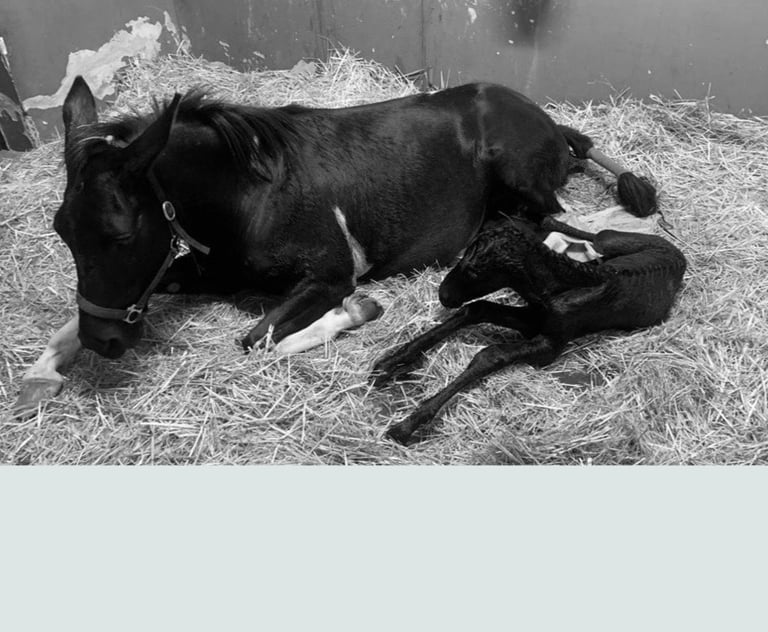
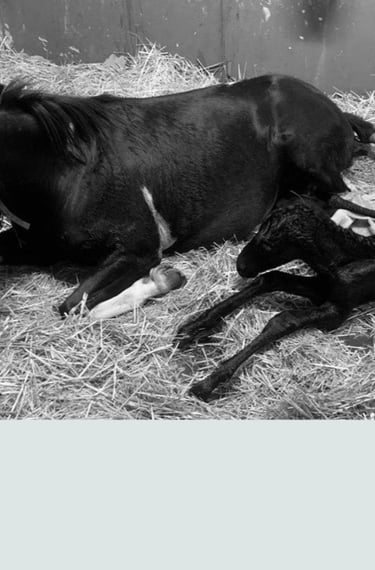
First documented case of a mule artificially born out of a mule, Fanelli et al. 2025. The pregnancy served to thoroughly characterize mule milk, for its possible future use as a substitute for breast milk in cases of infant allergies to cow's milk proteins. Unfortunately, the mother mule died in accidental circumstances; the filly, on the other hand, is in excellent health.
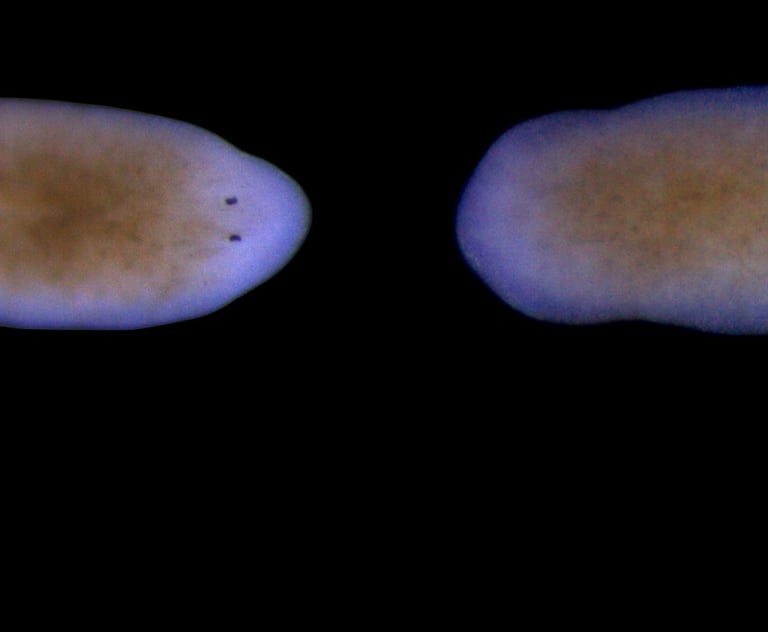
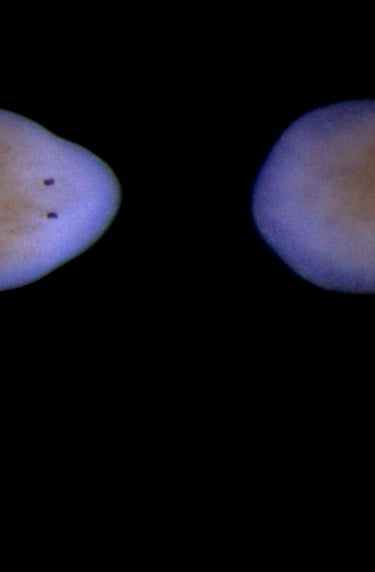
Chlorophyll derivetives enhance vision in simple animals, Degl'Innocenti et al. 2017. Scientific literature suggests that chlorophyll derivatives play a role in the vision of some of the most evolved animals, vertebrates. We made flatworms sensitive to red light, to which they are normally almost blind, by exposing them to chlorophyll derivatives. The article shows that the link between sight and chlorophyll derivatives is likely to be much older and more widespread than previously thought. Normal and genetically modified (eyeless) worms used in the study are shown here.
Mission and vision
Mission
To provide an alternative to traditional research and university education institutes, through student training dedicated to excellence, and the involvement of brilliant academics fleeing the academic system. To valorize the connection between the institute and its geographical area of origin, cradle of the scientific method and the Renaissance.
Vision
To restore the university's original independence. To contribute to a profound overhaul of the academic world, promoting an education which revalues truth, knowledge, and merit, in line with the centuries-old teaching tradition of Italy and Europe. To offer a safe refuge for talented students and scientists, where the best ideas can take root, in their own time, free from interferences and with appropriate intellectual and financial recognition. To present itself to the public as an authoritative, reliable, and inherently autonomous institution, capable of training top-level professionals and producing or disseminating original and robust knowledge, even at the cutting edge.
Ex ungue leonem
Istituto Vinciano per le Scienze
Excellence for students and scientists
PRIVACY POLICY
© 2025-2026. All rights reserved
owned by Andrea Degl'Innocenti, VAT number IT07486280485
Are you a scientist willing to work or collaborate with us?
WE ARE GLAD TO HEAR FROM YOU
This notice is provided by Istituto Vinciano per le Scienze, owned by Andrea Degl'Innocenti, with registered office at via Cattaneo 15, 50059 Sovigliana-Spicchio, Vinci (Florence), Italy, VAT number IT07486280485, email andrea.deglinnocenti@istitutovinciano.it . The data collected through the contact form includes: first name, last name, phone number (optional), and email address (required). This information will be used solely to respond to inquiries submitted via the contact form. All data is stored securely and will not be disclosed to third parties, except as required by law. At any time, users may exercise their rights to access, rectify, delete, or restrict the processing of their data by sending a request to the email address above. This policy may be updated; any changes will be posted on this page.